
cata herb guide
Welcome to the Cata Herb Guide‚ your comprehensive resource for herbs. Explore benefits‚ uses‚ and integration into daily life‚ optimized with SEO best practices.
1.1 What is the Cata Herb Guide?
The Cata Herb Guide is a comprehensive resource designed to educate and inspire individuals about the world of herbs. It covers their benefits‚ uses‚ and integration into modern life.
This guide is optimized with SEO best practices to ensure high visibility and credibility. By using tools like the Seobility SEO Checker‚ it provides accurate and reliable information.
Whether for culinary‚ medicinal‚ or aesthetic purposes‚ the Cata Herb Guide serves as a go-to reference‚ making herb exploration accessible and enjoyable for everyone.
1.2 Importance of Herbs in Modern Life
Herbs play a vital role in modern life‚ offering natural solutions for health‚ wellness‚ and sustainability. They enhance culinary experiences‚ provide mental clarity‚ and support physical well-being. With increasing interest in organic living‚ herbs are valued for their versatility and benefits. From medicinal uses to eco-friendly practices‚ herbs contribute to a holistic lifestyle‚ making them indispensable in today’s world. Their adaptability and natural properties ensure they remain a cornerstone of modern health and sustainability efforts.
1.3 Purpose of the Guide
The Cata Herb Guide aims to serve as a comprehensive resource for understanding herbs‚ their benefits‚ and uses. It educates readers on how to integrate herbs into daily life for health‚ cooking‚ and wellness. By providing detailed insights‚ the guide helps users make informed decisions about herb selection and usage. Additionally‚ it emphasizes SEO best practices to ensure accessibility and visibility‚ making it a top-ranking resource for herb enthusiasts. This guide is designed to empower individuals to harness the full potential of herbs effectively.
History of Herbs and Their Uses

Herbs have been integral to human history‚ used in ancient medicine‚ rituals‚ and culinary practices. Their versatility and benefits have shaped cultures and traditions worldwide for centuries.
2.1 Ancient Civilizations and Herbal Medicine
Ancient civilizations laid the foundation for herbal medicine‚ with Egyptians‚ Chinese‚ and Greeks documenting herbal remedies. These early practices emphasized natural healing‚ spiritual balance‚ and holistic well-being. Herbs like chamomile and mint were used for their therapeutic properties‚ while others held cultural significance. This historical knowledge has shaped modern herbalism‚ offering insights into sustainable and ethical practices. By understanding these roots‚ the Cata Herb Guide bridges tradition with contemporary applications‚ ensuring ancient wisdom remains relevant today.
2.2 Evolution of Herb Usage Over Time
The use of herbs has evolved significantly over centuries‚ adapting to cultural‚ medical‚ and culinary advancements. Ancient civilizations relied on herbs for medicine and rituals‚ while the Middle Ages saw their integration into European cuisine. The Renaissance period brought a resurgence in herbal medicine‚ and by the 20th century‚ herbs became central to global wellness trends. Today‚ herbs are valued for their nutritional‚ therapeutic‚ and environmental benefits‚ with modern science validating their traditional uses. This evolution reflects humanity’s enduring connection with nature and its resources.
2.3 Cultural Significance of Herbs
Herbs have played a profound role in shaping cultures worldwide‚ serving as symbols of spirituality‚ healing‚ and tradition. From ancient rituals to modern practices‚ herbs like basil‚ rosemary‚ and sage hold deep cultural meanings. In many societies‚ they are used in ceremonies‚ folklore‚ and art‚ reflecting their enduring importance. The Cata Herb Guide highlights how herbs bridge tradition and modernity‚ offering insights into their cultural heritage while optimizing content for global accessibility through SEO strategies. This section explores the symbolic and historical significance of herbs across diverse civilizations.
Classification of Herbs
Herbs are classified by usage‚ form‚ and rarity‚ aiding in organized content creation and SEO-friendly categorization for optimal online visibility and user accessibility.
3.1 Types of Herbs Based on Usage
Herbs are categorized based on their primary uses‚ such as culinary‚ medicinal‚ or aromatic purposes. Culinary herbs like basil and rosemary enhance flavors in cooking. Medicinal herbs‚ such as chamomile and echinacea‚ are used for health benefits. Aromatic herbs like lavender and mint are valued for their scent and mental well-being. Understanding these categories helps in optimizing their use‚ whether in recipes‚ remedies‚ or SEO-optimized content about herbs. This classification ensures users can easily find relevant information tailored to their needs.
3.2 Botanical Classification of Herbs
Botanical classification of herbs involves organizing plants based on their genetic relationships and physical characteristics. This system‚ developed by Carl Linnaeus‚ categorizes herbs into families‚ genera‚ and species. For example‚ Mentha spp. (mint) belongs to the Lamiaceae family‚ while Anethum graveolens (dill) is part of the Apiaceae family. Understanding botanical classification aids in identifying herbs‚ predicting their properties‚ and guiding cultivation practices; It also helps in researching herbal remedies and ensuring accurate identification for safe usage. This scientific approach enhances the Cata Herb Guide’s practicality for enthusiasts and researchers alike.
3.3 Rare and Exotic Herbs
Rare and exotic herbs‚ such as Sumatran ginger or Voacanga‚ offer unique flavors and medicinal properties. These herbs are often sourced from remote regions‚ making them highly sought after by enthusiasts. Their distinct aromas and uses in culinary and therapeutic contexts set them apart from common varieties. SEO strategies can help highlight these herbs‚ ensuring their discovery by a broader audience. Sustainability is key‚ as ethical sourcing ensures their preservation for future generations.
Health Benefits of Herbs
Herbs offer numerous health benefits‚ from improving mental clarity to boosting physical well-being. They aid in stress reduction‚ enhance immunity‚ and provide natural remedies for various ailments.
4.1 Herbs for Mental Health
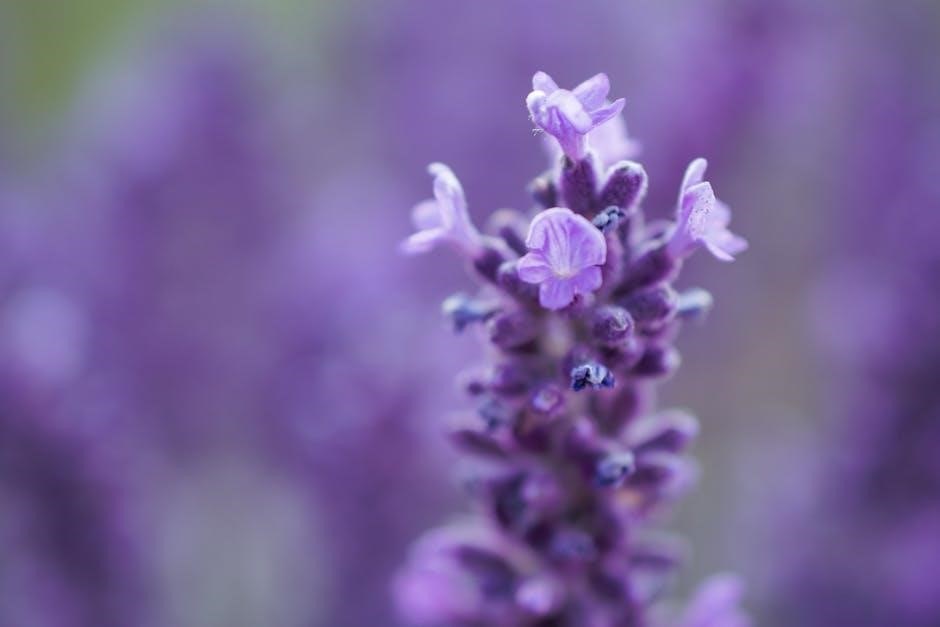
Herbs play a vital role in promoting mental well-being by reducing stress and anxiety. Lavender and chamomile are known for their calming effects‚ while ashwagandha helps reduce stress hormones. These herbs can be consumed as teas‚ essential oils‚ or supplements. Incorporating them into daily routines can enhance mental clarity and emotional balance. Additionally‚ optimizing content about mental health herbs with SEO strategies ensures wider reach and accessibility‚ helping more people discover natural wellness solutions.
4.2 Herbs for Physical Well-being
Herbs play a vital role in enhancing physical health by addressing various bodily systems. Turmeric‚ known for its anti-inflammatory properties‚ aids in joint health and pain relief. Ginger supports digestion and reduces nausea‚ while Echinacea boosts immunity. These herbs can be consumed as teas‚ supplements‚ or added to meals. Regular use promotes overall well-being‚ but consulting a healthcare professional is essential‚ especially for those with existing conditions or on medication.
4.3 Herbs for Therapeutic Purposes
Herbs have long been valued for their therapeutic properties‚ offering natural solutions for various health concerns. Chamomile and lavender are renowned for their calming effects‚ often used in essential oils and teas to reduce stress. Calendula and echinacea are prized for their anti-inflammatory and immune-boosting qualities‚ making them ideal for salves and tinctures. These herbs provide holistic approaches to wellness‚ promoting balance and healing without harsh side effects. Incorporating them into daily routines can enhance overall well-being and support therapeutic goals naturally.

Culinary Uses of Herbs
Herbs elevate dishes‚ enhancing flavors and aromas. From global cuisines to modern recipes‚ they add versatility. Discover how to pair herbs with foods‚ beverages‚ and desserts for delightful results.
5.1 Herbs in Different Cuisines
Herbs play a vital role in global cuisines‚ enhancing flavors and cultural identity. Italian dishes often feature basil‚ oregano‚ and rosemary‚ while Mexican cuisine relies on cilantro and epazote. Thai cooking uses lemongrass‚ galangal‚ and mint for aromatic balance. Middle Eastern recipes incorporate parsley‚ sumac‚ and za’atar. Each region’s herb selection reflects local traditions and ingredient availability‚ creating unique taste profiles. By understanding these herb combinations‚ you can authentically recreate global dishes and experiment with fusion flavors. Herbs bridge cultures‚ offering endless culinary possibilities.
5.2 Pairing Herbs with Foods
Herbs elevate dishes by adding unique flavors and aromas. Basil pairs perfectly with tomatoes and Italian cuisine‚ while rosemary complements roasted meats. Cilantro enhances Mexican dishes‚ and parsley adds freshness to Mediterranean salads. Mint is ideal for desserts and drinks‚ like teas or smoothies. Thyme works well with soups and stews‚ and oregano is a staple in Greek and pizza recipes. Experimenting with herb combinations can create balanced and delicious meals‚ enhancing both flavor and presentation.
5.3 Herbs in Beverages and Desserts
Herbs add unique flavors to beverages and desserts‚ enhancing both taste and aroma. Mint‚ basil‚ and lemongrass are popular in refreshing drinks like mojitos and teas. Lavender and rosemary create elegant desserts‚ such as shortbread or ice cream. These herbs not only elevate dishes but also offer health benefits‚ like improved digestion and stress relief. Experimenting with herbal infusions in beverages and desserts can transform simple recipes into gourmet delights‚ making them perfect for special occasions or everyday treats.
Growing and Cultivating Herbs
Discover essential tips for nurturing herbs‚ from soil selection to light exposure. Learn optimal conditions for indoor and outdoor growth‚ ensuring thriving plants for culinary and medicinal use.
6.1 Best Herbs for Home Gardens
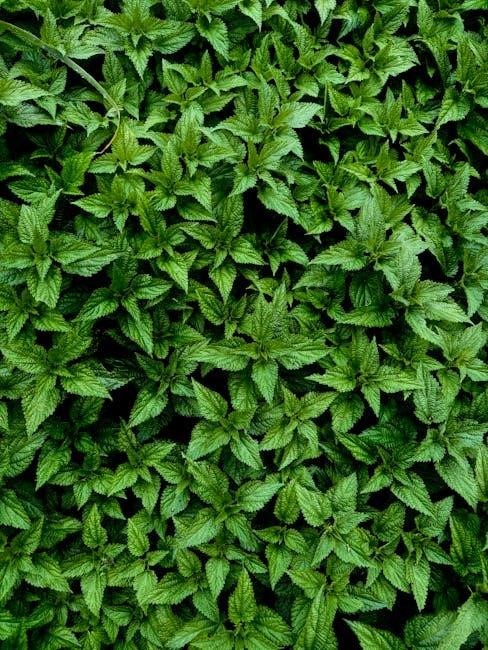
Growing herbs at home can enhance your garden and cooking. Popular choices like basil‚ mint‚ and rosemary thrive in well-drained soil and sunlight. Hardy herbs such as thyme and parsley are perfect for beginners. These plants not only add fragrance but also attract pollinators. For a vibrant garden‚ consider low-maintenance options like oregano or sage. Ensure proper sunlight and care for optimal growth. Herbs are versatile‚ adding fresh flavors to dishes and beauty to your outdoor space. Start small and enjoy the rewards of homegrown herbs year-round.
6.2 Tips for Growing Herbs Indoors
Growing herbs indoors is a rewarding experience with the right techniques. Ensure sufficient light‚ as most herbs need 4-6 hours of direct sunlight daily. Use well-draining soil and water sparingly to prevent root rot. Maintain consistent temperatures between 65-75°F for optimal growth. Humidity levels should be moderate‚ around 40-50%. Fertilize lightly during the growing season‚ and prune regularly to encourage bushy growth. Choose compact or dwarf varieties for smaller spaces‚ and repot annually to refresh soil. With proper care‚ indoor herbs thrive year-round.
6.3 Seasonal Herb Care
Seasonal herb care ensures optimal growth and health throughout the year. Adjust watering‚ pruning‚ and protection based on climate changes. In summer‚ herbs need consistent moisture and sunlight‚ while winter requires protection from frost. Spring is ideal for planting‚ and autumn for harvesting. Use tools like SEO checkers to optimize your guide’s content‚ ensuring it ranks high in search results. Regular updates and keyword research help maintain relevance. This approach keeps your herb guide visible and useful for enthusiasts exploring seasonal care tips.
Herbal Remedies and DIY Projects
Discover how to create herbal teas‚ oils‚ salves‚ and potpourri. Learn DIY projects that enhance well-being‚ optimized with SEO best practices for visibility.
7.1 Making Herbal Teas
Herbal teas are a popular way to enjoy the benefits of herbs. To make herbal tea‚ combine fresh or dried herbs with boiling water in a pot. Allow the mixture to steep for 5-10 minutes‚ then strain into a cup. Add honey or lemon for flavor. Herbal teas promote relaxation‚ improve digestion‚ and boost immunity. Popular options include chamomile‚ peppermint‚ and lavender. Experiment with different blends to find your favorite. This simple‚ natural remedy is perfect for any time of day‚ offering both comfort and health benefits.
7.2 Creating Herbal Oils and Salves
Herbal oils and salves are versatile products for skin care and wellness. Start by infusing dried or fresh herbs in a carrier oil‚ like coconut or olive oil‚ for several weeks. Strain the mixture and mix with beeswax to create salves. Customize blends for specific needs‚ such as calming or moisturizing. Store products in airtight containers for optimal freshness. Always test for allergies and follow proper safety guidelines. These creations can be tailored to individual preferences‚ making them perfect for personal use or gifts. Optimize your process for consistency and quality.
7.3 Herbal Potpourri and Crafts
Herbal potpourri and crafts offer creative ways to enjoy herbs beyond cooking and medicine. Mix dried herbs‚ flowers‚ and spices to create fragrant blends for home decor. Add essential oils for enhanced scent. Use herbs in wreaths‚ sachets‚ or framed art for unique gifts. These projects allow experimentation with colors‚ textures‚ and aromas‚ making them perfect for craft enthusiasts. Herbal crafts also promote sustainability and personalization‚ ideal for gifting or enhancing your space naturally. Explore your creativity while preserving the beauty and fragrance of herbs year-round.
Safety and Precautions with Herbs
Ensure safe herb usage by understanding allergies‚ pregnancy risks‚ and medication interactions. Prioritize reliable information using SEO best practices for accurate guidance.
8.1 Allergies and Sensitivities
Understanding allergies and sensitivities is crucial when using herbs. Some herbs can trigger severe reactions‚ even in small amounts. Always research potential allergens before consumption.
Using tools like the Seobility SEO Checker can help identify user concerns‚ such as allergies‚ ensuring your guide addresses these issues effectively. This approach optimizes content for safety and user trust.
8.2 Herbs to Avoid During Pregnancy
During pregnancy‚ certain herbs can pose risks to fetal development and maternal health. Herbs like pennyroyal‚ blue cohosh‚ and mugwort should be avoided due to their potential to cause uterine contractions or hormonal imbalances. Additionally‚ herbs such as sassafras and rue may interfere with pregnancy outcomes. It’s crucial for expectant mothers to consult healthcare providers before using any herbal remedies. This ensures safety and avoids unintended complications‚ aligning with SEO best practices for reliable health content. Always prioritize medical advice over unverified sources.
8.3 Interactions with Medications
Understanding herb-medication interactions is crucial for safety. Certain herbs‚ like St. John’s Wort‚ can alter drug efficacy or cause adverse effects. Always consult healthcare professionals before combining herbs with prescriptions. Tools like SEO checkers can help find reliable sources on herb interactions‚ ensuring informed decisions. Prioritize health by verifying herbal safety with medications‚ especially for chronic conditions or during pregnancy. This cautious approach maximizes benefits while minimizing risks‚ aligning with ethical and sustainable herbal practices;

Sustainability and Ethical Sourcing
Sustainability involves eco-friendly practices like organic farming and ethical sourcing ensures fair trade and supports local farmers‚ aligning with SEO strategies to promote responsible herb cultivation globally.
9.1 Organic vs. Non-Organic Herbs
Organic herbs are cultivated without synthetic pesticides or fertilizers‚ promoting sustainability and environmental health. Non-organic herbs may use chemical additives for faster growth. Choosing organic ensures higher quality and safer consumption. Opting for organic supports ethical farming practices and reduces environmental impact. For SEO‚ highlighting organic benefits can improve content visibility‚ aligning with consumer demand for natural products. Use keyword research to target eco-conscious audiences‚ enhancing your guide’s relevance and reach.
9.2 Ethical Harvesting Practices
Ethical harvesting practices ensure herbs are sourced responsibly‚ minimizing environmental impact. This involves sustainable methods‚ fair labor conditions‚ and respect for local ecosystems. By adhering to these practices‚ the Cata Herb Guide promotes eco-friendly herb cultivation and supports ethical suppliers. Such practices not only preserve biodiversity but also enhance the quality of herbs. Additionally‚ ethical harvesting aligns with SEO best practices‚ improving website visibility for herb-related content. This approach fosters trust and sustainability‚ making the Cata Herb Guide a reliable resource for environmentally conscious herb enthusiasts.
9.3 Supporting Local Herb Farmers
Supporting local herb farmers promotes sustainability and strengthens community ties. By purchasing directly‚ you ensure fair prices and fresh‚ high-quality herbs. This practice reduces carbon footprints and fosters eco-friendly farming. Engage with farmers at markets or through CSA programs to learn about their cultivation methods. Your support helps preserve heirloom varieties and encourages organic practices. Visit local farms to explore diverse herb selections and build relationships with growers. This collaboration benefits both consumers and farmers‚ creating a thriving‚ sustainable herb ecosystem.

Advanced Topics in Herbology
Delve into advanced herbology topics‚ exploring rare species‚ sophisticated cultivation methods‚ and the integration of modern technology in herbal medicine for enhanced wellness and scientific understanding.
10.1 Herbalism and Aromatherapy
Herbalism and aromatherapy are powerful practices that harness the therapeutic properties of plants. Herbalism focuses on using plants for medicinal and wellness purposes‚ while aromatherapy emphasizes essential oils for mental and emotional balance. Both practices complement each other‚ offering holistic approaches to health. From infusions to diffusions‚ these methods enhance well-being naturally. Explore how to integrate these techniques into your lifestyle for a harmonious mind-body connection.
10.2 Herbs in Ayurvedic Medicine
Ayurvedic medicine‚ an ancient Indian practice‚ relies heavily on herbs for holistic health. Turmeric‚ Ashwagandha‚ and Brahmi are staples‚ promoting physical and mental well-being. These herbs are used in remedies‚ teas‚ and oils to balance doshas and enhance vitality. The Cata Herb Guide highlights their significance‚ offering insights into sustainable sourcing and ethical practices. By optimizing content with SEO strategies‚ the guide ensures accessibility‚ helping enthusiasts explore Ayurvedic herb benefits globally.
10.3 Herbs in Traditional Chinese Medicine
Herbs play a vital role in Traditional Chinese Medicine (TCM)‚ emphasizing harmony and balance. Ginseng‚ ginger‚ and turmeric are staples‚ used to restore energy and treat ailments. TCM integrates these herbs into teas‚ powders‚ and salves to address specific health concerns. By aligning with SEO best practices‚ the Cata Herb Guide ensures this ancient wisdom reaches a broader audience‚ promoting natural well-being and holistic health.
Creating an Online Herb Guide
Creating an online herb guide involves optimizing for SEO‚ checking technical issues‚ and ensuring content is user-friendly. Use tools like SEO Checker and Redirect Checker to improve visibility and rankings.
11.1 SEO Best Practices for Herb-Related Content
Optimizing herb-related content requires strategic SEO practices. Use tools like Seobility’s SEO Checker to identify technical errors and on-page issues. Ensure canonical links guide search engines to original content. Conduct keyword research to target relevant terms‚ and optimize images with descriptive alt texts. Regular site audits and mobile-friendly designs enhance visibility. Focus on creating high-quality‚ engaging content that addresses user intent. Proper URL redirects and meta tags further improve rankings. By following these best practices‚ your herb guide can achieve higher search engine rankings and attract more visitors.
11.2 Keyword Research for Herb Guides
Effective keyword research is crucial for creating SEO-friendly herb guides. Identify high-value keywords like “herb benefits‚” “culinary herbs‚” or “herbal remedies” using tools like Google Keyword Planner. Analyze competitors and target specific queries to enhance visibility. Focus on long-tail keywords for less competition and higher conversion rates. Optimize content with relevant phrases to improve search rankings and attract targeted traffic. Regularly update keyword strategies to align with trends and user intent‚ ensuring your guide remains a top resource for herb enthusiasts.
11.3 Optimizing Images for Herb Websites
Optimizing images for herb websites is crucial for SEO and user experience. Use high-quality images with descriptive alt text and file names. Compress images to reduce load times without losing quality. Ensure images are mobile-friendly and align with content; Use tools like Seobility’s SEO Checker to analyze image optimization. Properly structured images improve search engine rankings and enhance visual appeal‚ making your herb guide more engaging and accessible to a wider audience.
Thank you for exploring the Cata Herb Guide. May it inspire your journey with herbs‚ enhancing health‚ cuisine‚ and wellness. Happy growing and discovering the future of herbal possibilities!
12.1 The Future of Herb Usage
The future of herb usage is promising‚ with digital tools and SEO strategies enhancing accessibility. As e-commerce grows‚ herbal products will reach global audiences. Online education and SEO-optimized guides‚ like the Cata Herb Guide‚ will play a key role in spreading knowledge. By leveraging keyword research and image optimization‚ herbal businesses can improve visibility. The integration of herbs into modern lifestyles will continue to evolve‚ supported by ethical sourcing and sustainable practices. SEO best practices will ensure that herbal wisdom remains accessible and relevant in a rapidly changing world.
12.2 Encouraging Others to Explore Herbs
Encouraging others to explore herbs can foster a deeper appreciation for nature and wellness. Share the benefits of herbs‚ from culinary enhancements to mental health support‚ to inspire curiosity. Highlight how herbs can be easily incorporated into daily life‚ whether through cooking or DIY remedies. Emphasize sustainability and ethical sourcing to promote responsible herb usage. By sharing knowledge and enthusiasm‚ you can help others discover the versatility and value of herbs‚ creating a community that values natural wellness and holistic living.
12.3 Final Tips for Herb Enthusiasts
For herb enthusiasts‚ staying informed about SEO trends can enhance your online presence. Experiment with new herbs‚ share experiences‚ and build a community. Support sustainable practices and local farmers. Keep learning and exploring the versatile world of herbs.