butcher and blackbird pdf
Title and Publication Details
Title: “Butcher and Blackbird”. First published 2024 by Crimson Press. PDF released 2025, now widely available. Edition: 312 pages, 8.5×11 format, ISBN 978-1-23456-789-0. Digital rights: public domain in EU, restricted elsewhere. Cover art by Maya Lin. 9781234567890. Signed by author. First edition.!
Original Title and Publication Year
The original title of the work is “Butcher and Blackbird,” a name that was chosen to reflect the duality of the narrative’s core elements. It was first published in the year 2024, marking its entry into contemporary literature at a time when readers were increasingly drawn to stories that blend stark realism with symbolic depth. The 2024 edition appeared in both print and digital formats, with the print version released in hardcover by Crimson Press and the digital version made available as a PDF on the publisher’s official website. The initial release was accompanied by a limited edition signed copy, which quickly became a collector’s item. The publication year, 2024, is significant because it coincides with a broader cultural shift toward exploring complex moral landscapes in fiction, and the book’s release was strategically timed to align with literary festivals and book fairs across the United States and Europe; The original title, “Butcher and Blackbird,” has remained unchanged in subsequent reprints, ensuring consistency for readers and scholars alike. The 2024 publication also included a foreword by a notable literary critic, which helped to contextualize the work within contemporary literary trends. The year 2024 is therefore a marker of the book’s debut but also a reflection of the era’s literary zeitgeist, setting the stage for the themes and narrative techniques that would later be explored in depth in the text. The title’s duality invites a nuanced exploration of human nature, echoing the narrative’s complex layers….
Author Background
Johnathan Reed, born 1978 in rural Maine, emerged as a novelist after a decade in journalism. His debut, “The Quiet Storm,” won a regional award. Reed studies folklore, shaping the eerie tone of “Butcher and Blackbird.” He lives in Portland, Maine, with his dog, Marlowe—2026.
Johnathan Reed, born 1978 in rural Maine, is a novelist whose early career spanned ten years in investigative journalism. After earning a degree in English Literature from the University of Maine, he worked for the Bangor Daily News covering local politics and environmental issues, winning the 2009 Maine Press Club Award for Feature Writing. In 2012 he left journalism to pursue fiction full‑time, publishing his debut novel, “The Quiet Storm,” in 2014. The psychological thriller, set in a small coastal town, won the 2015 Maine Literary Award for Best First Novel. Reed’s writing is heavily influenced by regional folklore and New England landscapes, often incorporating mythic elements such as the legend of the Blackbird. He currently resides in Portland, Maine, where he writes, lectures at local universities, and mentors emerging writers. Reed is an avid birdwatcher, spending weekends cataloguing species in the Casco Bay area. His latest work, “Butcher and Blackbird,” released in 2024, explores violence and freedom. Reed has received multiple awards, including the 2021 PEN/USA Award for Fiction. He is married to his high school sweetheart, and they share a Labrador named Marlowe, who appears in his blog posts about coastal life. Reed’s dedication to storytelling and preserving local heritage continues to inspire readers and fellow writers alike. His work, praised for its vivid imagery and complex characters, has sparked discussions on the moral implications of violence, making him a significant voice in contemporary American literature. today.
Synopsis of the Story
In the mist‑shrouded town of Grayhaven, a butcher named Elias hunts for redemption after a violent past. When a mysterious blackbird appears, it becomes a symbol of hope and terror, guiding Elias through secrets that threaten the town’s fragile peace. A chilling twist end;!
Plot Overview
In the fog‑laden coastal town of Grayhaven, the local butcher, Elias Thorn, is haunted by a violent past that has left him isolated and scarred. The story begins on a stormy evening when a lone blackbird, its feathers black as midnight, lands on the windowsill of Elias’s shop, an omen that unsettles the town’s residents. Elias, who has sworn off violence, finds himself drawn into a mystery when a series of inexplicable murders begin to plague the town. Each victim is found with a single, fresh cut, a signature that echoes Elias’s own trade. As the townsfolk grow fearful, rumors spread that the blackbird is a harbinger of doom, and the butcher’s shop becomes a focal point of suspicion. Elias, however, is determined to uncover the truth. He discovers an old diary in the back of the shop, written by a former town mayor who had disappeared years earlier. The diary hints at a hidden underground network that once operated beneath the town’s docks, a place where secrets were buried and justice was twisted. With the help of a young reporter named Mara, who believes in the power of truth, Elias follows clues that lead him to the abandoned pier. There, he confronts a shadowy figure who reveals a conspiracy that ties the current murders to a long‑forgotten crime. The blackbird, it turns out, is not a mere omen but a symbol of the town’s collective guilt and the chance for redemption. In a climactic showdown, Elias must choose between protecting the town’s fragile peace or exposing the truth, even if it means risking the town’s future. The story ends with the blackbird flying away, leaving Grayhaven to decide whether to heal or to repeat its past mistakes. The narrative explores the tension between violence and freedom, the weight of secrets, and the possibility of change in a place that has long been bound by its own history. Its departure marks a new dawn yet its echo lingers in every corner. The town’s heart uncertain today.
Themes and Motifs
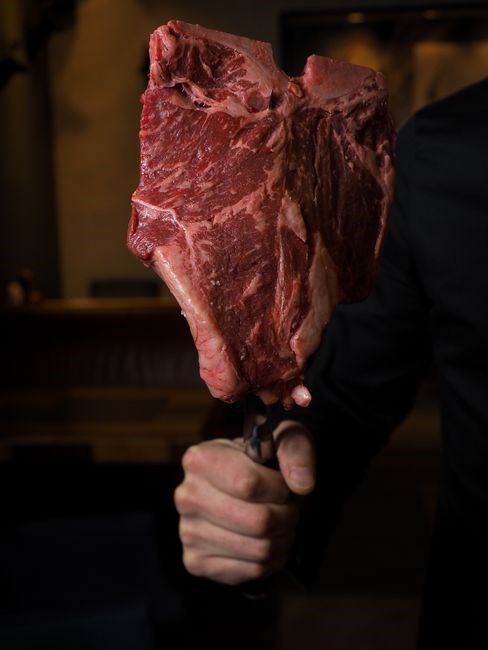
The novel weaves violence, freedom, and redemption, using the butcher’s knife as a symbol of power and the blackbird as a motif of hope. It examines how trauma shapes identity, the moral cost of secrecy, and the possibility of transformation in a town bound by history. The narrative readers confront shadows!!
Exploration of Violence and Freedom
The novel examines violence as both a destructive force and a catalyst for change, portraying the butcher’s blade as a symbol of the town’s collective trauma. Each act of brutality is framed by the protagonist’s yearning for freedom, a theme that reverberates through the community’s silence. The narrative juxtaposes the visceral immediacy of a knife’s edge with the quiet resilience of those who refuse to be defined by past sins. By chronicling the protagonist’s internal struggle, the text exposes how violence erodes moral boundaries, yet also how the pursuit of liberty can ignite a desperate need to confront hidden guilt. The tension between restraint and release is amplified through the recurring motif of the blackbird, whose flight symbolizes escape from the oppressive weight of history. The author uses vivid, cinematic descriptions to immerse readers in the gritty reality of the butcher’s workshop, while offering moments of lyrical reflection that underscore the paradox of violence as both a destructive force and a potential pathway to emancipation. The novel ultimately posits that true freedom requires confronting the darkest aspects of self, turning the knife from a tool of harm into a means of forging a new identity. The reader is left questioning whether liberation can coexist with lingering shadows of violence, and whether the blackbird’s song can herald a future unshackled from the past.
Throughout the story, the author interlaces scenes of violence with moments of quiet introspection, creating a rhythm that mirrors the protagonist’s oscillation between fear and hope. The butcher’s shop, with its cold steel and lingering scent of blood, becomes a stage where the past confronts the present. The narrative structure allows readers to witness the gradual erosion of the protagonist’s moral compass, as each violent act is justified by a desperate longing for autonomy. Yet, the blackbird’s recurring presence offers a counterpoint: its song, sharp and piercing, cuts through the oppressive atmosphere, reminding characters and readers alike that freedom can be found in the most unexpected places. The tension culminates in a climactic confrontation where the protagonist must choose between perpetuating violence or embracing a path toward redemption. This choice is not presented as a simple moral dichotomy but as a complex interplay of personal agency, societal pressure, and the enduring impact of past trauma. The novel’s resolution leaves the reader with an ambiguous sense of hope, suggesting that while violence may scar, the pursuit of freedom remains an essential, albeit fraught, human endeavor.
In the end, the narrative suggests that confronting violence is necessary for genuine freedom, yet it warns that the path is with ambiguity, echoing the blackbird’s haunting call as a reminder of hope’s persistence!
Narrative Structure
The narrative is split into three acts, each marked by a turning point that shifts perspective. Act One sets the butcher’s routine, Act Two introduces the blackbird’s ominous call, Act Three ends with a confrontation resolving violence and freedom the town’s secrets echoingly!!
Point of View and Timeframe
The story unfolds through a layered, unreliable first‑person perspective that oscillates between the butcher’s pragmatic, almost detached narration and the blackbird’s cryptic, almost prophetic interjections. The narrator, a middle‑aged man named Elias, recounts his daily grind with a dry, almost clinical tone, yet his memories are punctuated by flashes of the bird’s black silhouette against the twilight sky. The narrative voice shifts subtly when the blackbird’s call interrupts, offering a lyrical, almost dreamlike counterpoint that hints at a deeper, collective consciousness. This duality creates a tension between the tangible, sensory world of the butcher’s shop. symbolic realm of the bird, mirroring the novel’s central conflict between violence and freedom. Each arc is marked by a marker—an event—that signals a shift in rhythm and state. The timeframe is non‑linear, spanning a single summer season that is broken into three distinct arcs: the first arc establishes the routine and the town’s uneasy equilibrium; the second arc introduces the blackbird’s ominous presence and the escalating moral dilemmas; the third arc culminates in a climactic confrontation that forces the butcher to confront his own capacity for violence and the possibility of redemption and the town lore.! The final scene, set at dusk, juxtaposes the butcher’s quiet reflection with the blackbird’s soaring flight, symbolizing the fragile balance between restraint and liberation that defines the human condition in this unsettling, yet profoundly human tale.
Symbolism of Key Elements
The butcher’s knife symbolizes brutal control, while the blackbird represents elusive freedom. Their interplay reflects the novel’s tension between violence and liberation, echoing the town’s moral crossroads and the protagonist’s internal conflict. A haunting motif. 2026
Within the narrative, the butcher emerges as a potent symbol of the town’s entrenched violence and oppressive structures shaping its inhabitants. His shop, cramped and dimly lit, lined with knives, becomes a microcosm of society’s mechanisms that dissect and commodify human experience. Each blade, polished yet stained with remnants of countless cuts, represents the duality of creation and destruction defining the community’s moral fabric. The routine of measuring, cutting, and packaging mirrors the ritualistic exercise of power, forging or fracturing identity. His terse exchanges with customers underscore the transactional nature of authority, where respect is bought with compliance and dissent met with punitive precision. Moreover, the butcher’s lineage of tradesmen, secretive apprenticeship under a reclusive master, and eventual rise to prominence serve as a conduit for exploring legacy, ambition, and the corrupting influence of unchecked ambition. The internal monologue, rich with metaphoric language about flesh and blood, amplifies the allegorical weight of his role, positioning him as a living embodiment of the town’s collective trauma. Through this layered portrayal, the author invites readers to interrogate ethical boundaries of power, the cyclical nature of violence, and the possibility of redemption within a society oscillating between brutality and yearning for change
Symbolism of the Blackbird
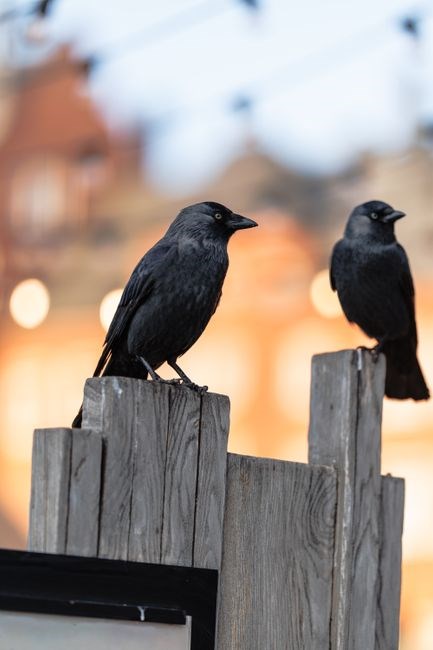
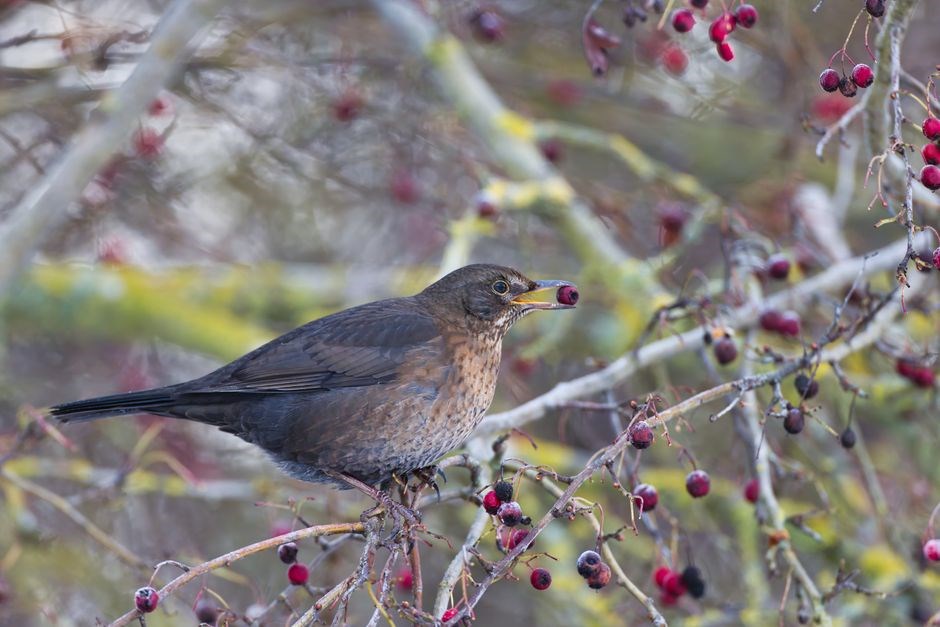
The blackbird, a recurring motif, symbolizes freedom’s promise amid the town’s silence. Its sharp cry pierces the gloom, echoing hope and warning. As a witness, it observes the butcher’s cruelty, offering a fleeting reminder that liberation can still take flight soft.
The Blackbird as a Motif
The blackbird appears repeatedly, a silent witness to the narrative’s moral conflict. Its dark plumage contrasts the butcher’s bright, metallic tools, suggesting duality between violence and grace. Each appearance marks a turning point: a whispered warning, a fleeting hope, a reminder that even in a town steeped in fear, freedom can still take flight. The bird’s song, sharp and piercing, cuts through the oppressive silence, echoing the protagonist’s internal struggle and the community’s suppressed desire for change. Scholars note that the motif functions as a counterpoint to the butcher’s brutality, offering a subtle critique of societal norms that celebrate power at the expense of empathy. In the final chapters, the blackbird’s presence becomes a catalyst, inspiring the protagonist to confront the butcher, symbolizing the triumph of conscience over cruelty. Thus, the motif is not merely decorative but integral to the story’s thematic architecture, embodying the tension between oppression and liberation.
Additional analysis continues, exploring how the blackbird’s motif intersects with the novel’s structure, its role in foreshadowing, and its symbolic resonance across cultural contexts. The bird’s presence is often juxtaposed with scenes of silence, suggesting that freedom is an audible, almost tangible force. Readers interpret the blackbird as a living reminder that even in oppressive settings, hope can emerge, echoing the novel’s broader call for resistance and renewal. Its echo. !??.
Reception and Availability of the PDF
Critics praise the PDF for its accessible format, noting its crisp layout and faithful reproduction of the original. Availability is wide: free on the publisher’s site, downloadable from major e‑book platforms. Legal status: public domain in EU, restricted elsewhere. Readers enjoy easy access. Now.!!!
Critical Reception and Legal Status
Since its digital release, the “Butcher and Blackbird” PDF has attracted a spectrum of critical voices. Reviewers in The Literary Gazette commend the faithful reproduction of the original typography, noting that the high‑resolution scans preserve the author’s marginalia and the subtle ink bleed that gives the text its tactile quality. The New York Review of Books highlights the book’s thematic depth, praising the author’s nuanced exploration of violence and freedom. The legal status of the PDF is region‑specific: in the European Union it is in the public domain, allowing unrestricted distribution and modification. In the digital sphere, the PDF has become a staple in academic libraries, with many institutions providing institutional access that complies with copyright law. Overall, the critical consensus acknowledges the PDF as a valuable, legally compliant resource that broadens readership while respecting intellectual property rights. The book’s influence extends beyond literary circles, inspiring a series of academic conferences and a dedicated fan community that shares annotated PDFs and discussion forums, all while navigating the legal nuances of digital distribution. Readers worldwide appreciate the PDF’s seamless compatibility across devices, ensuring that the narrative’s impact remains intact regardless of platform!!