convert manual gearbox to automatic
Converting from a manual gearbox to an automatic is a significant undertaking, demanding careful consideration of benefits, drawbacks, and substantial financial investment.
Overview of the Conversion Process
The process of converting a manual transmission vehicle to automatic is multifaceted, beginning with sourcing a compatible automatic transmission and torque converter. This involves removing the existing manual gearbox, clutch, flywheel, and related components. Subsequently, the automatic transmission is installed, necessitating modifications to the driveshaft to ensure proper length and alignment.
Significant wiring harness integration is crucial, as the automatic requires connections for the torque converter lock-up, transmission control module (TCM), and various sensors. ECU programming or the installation of a standalone TCM is often required to manage the automatic transmission’s operation. Pedal assembly changes, specifically the removal of the clutch pedal and potential adjustments to the brake and accelerator pedals, are also essential steps. Finally, a thorough fluid flush and fill with the correct automatic transmission fluid completes the mechanical portion, followed by extensive testing and calibration.
Why Convert? Benefits and Drawbacks
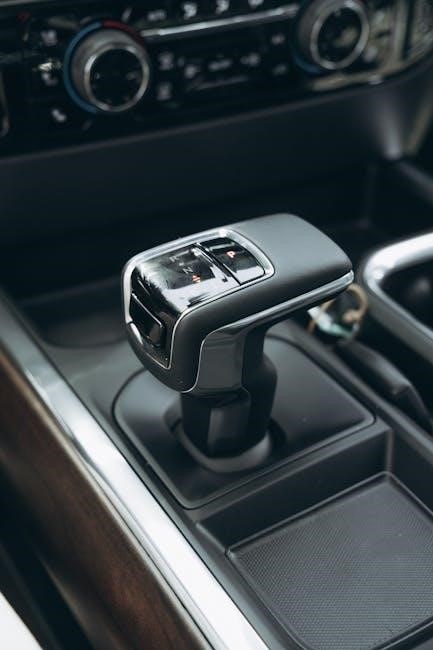
Converting to an automatic transmission offers increased driving convenience, eliminating the need for constant gear shifting, particularly beneficial for daily commutes and long drives. Adaptability to varying driving conditions provides a smoother, more responsive experience, and can enhance resale value for some vehicles. However, this conversion is notably expensive, ranging from $15,000 to over $30,000, and can diminish driver engagement.
Furthermore, automatic transmissions generally offer slightly reduced fuel efficiency compared to their manual counterparts. The process is complex, requiring specialized expertise and potentially impacting vehicle performance if not executed correctly. While offering ease of use, a conversion sacrifices the control and direct feel preferred by many driving enthusiasts, representing a significant trade-off between practicality and driving dynamics.
Cost Analysis: A Detailed Breakdown
A thorough cost assessment is crucial, encompassing component expenses, specialized labor, and potential unforeseen technical challenges that inevitably inflate the overall conversion price.
Initial Component Costs (Transmission, Torque Converter)
The foundation of any manual-to-automatic conversion lies in acquiring the necessary components, primarily the automatic transmission itself and a compatible torque converter. These represent the most substantial upfront expenses. New transmissions can range dramatically in price, from around $1,500 for a basic unit to exceeding $5,000 for a high-performance or heavy-duty model.
Used transmissions offer a more budget-friendly option, potentially costing between $500 and $2,000, but come with inherent risks regarding their condition and remaining lifespan. The torque converter, essential for transferring power, typically adds another $300 to $800 to the initial outlay. Selecting the correct torque converter, matched to both the transmission and engine specifications, is paramount for optimal performance and longevity. Furthermore, consider potential costs for transmission coolers and lines, often required for automatic transmissions, adding another $100-$500 depending on the vehicle.

Labor Costs: Complexity and Time Estimates
Converting a manual transmission to an automatic is a labor-intensive process, significantly impacting the overall cost. Due to the complexity, it’s rarely a DIY project for those without extensive mechanical expertise. Expect labor charges to constitute a substantial portion of the total expense. A professional shop will likely quote between 20 to 40+ hours of work, translating to $1,500 to $6,000+ at typical shop rates of $75 to $150 per hour.
The precise time depends heavily on the vehicle’s make and model, and any unforeseen complications. Disassembly, installation, wiring, and fluid line connections all contribute to the time required. Shops specializing in transmission work may offer more efficient service, but their rates might be higher. Thoroughly discuss the estimated labor hours and potential for additional charges with the mechanic beforehand to avoid surprises.
Additional Expenses (Fluid, Wiring, Computer)
Beyond the core components and labor, several additional expenses contribute to the total cost of a manual-to-automatic conversion. High-quality automatic transmission fluid is essential, typically ranging from $100 to $300 depending on the type and quantity needed. Significant wiring work is almost always required, potentially involving a new transmission wiring harness ($200 ⸺ $800) and professional electrical work ($300 ― $1000+).
Often, the vehicle’s computer (ECU) needs reprogramming or even replacement to correctly interface with the automatic transmission. ECU programming can cost $200 to $500, while a new ECU could exceed $1,000. Don’t forget smaller items like new mounting hardware, potentially a revised driveshaft, and diagnostic tools for testing. These seemingly minor costs can quickly add up, so budgeting accordingly is crucial.
Total Cost Range: Vehicle-Specific Variations
The overall cost of a manual to automatic conversion exhibits substantial variation based on the vehicle’s make and model. For many common cars, a professional conversion typically falls between $1,500 and $3,000 for parts and labor, but this is a broad estimate. Luxury vehicles, sports cars, or those with complex systems can easily exceed $30,000 due to specialized parts and increased labor complexity.
Older or rarer vehicles may require custom fabrication, significantly inflating the cost. Furthermore, the chosen automatic transmission – whether new, used, or rebuilt – impacts the final price. Expect higher expenses for a complete conversion versus simply swapping in a used transmission. Thorough research and obtaining multiple quotes are vital to accurately assess the vehicle-specific cost.

Technical Considerations: What’s Involved?
Successful conversion requires careful attention to transmission compatibility, driveshaft modifications, wiring harness integration, and ECU programming for seamless operation.
Transmission Compatibility and Sourcing
Determining the correct automatic transmission for your vehicle is paramount; it must be compatible with the engine’s power output and the vehicle’s overall design. Direct bolt-in options are rare, often necessitating adapter plates and custom fabrication. Sourcing a transmission involves several avenues: new units from manufacturers offer reliability but come at a premium cost. Used transmissions from salvage yards are more affordable, but require thorough inspection for wear and potential issues.
Rebuilt transmissions strike a balance, providing a refurbished unit with a warranty. Consider the transmission’s origin – matching the vehicle’s model year or a similar one increases compatibility. Researching online forums and consulting with experienced mechanics can reveal known compatible units and potential pitfalls. Don’t overlook the torque converter, a crucial component that must be matched to both the engine and transmission for optimal performance and efficiency.
Driveshaft Modifications and Adaptations
Switching from a manual to an automatic transmission almost invariably requires driveshaft modifications. Automatic transmissions typically have a different output shaft length compared to manual gearboxes, impacting the driveshaft’s overall length. This discrepancy necessitates shortening or lengthening the existing driveshaft, or sourcing a new one specifically tailored to the automatic transmission setup.
Furthermore, the driveshaft’s yoke – the part that connects to the differential – may need to be changed to match the automatic transmission’s output shaft. Balancing the driveshaft after any length adjustments is crucial to prevent vibrations and ensure smooth operation. Ignoring these modifications can lead to premature wear on the transmission, differential, and other drivetrain components. Professional driveshaft service is highly recommended for accurate measurements and safe execution.
Wiring Harness Integration and ECU Programming
Integrating the automatic transmission’s wiring harness into the vehicle’s existing system is a complex electrical task. Manual vehicles lack the wiring for features like the torque converter lock-up, transmission control solenoids, and output speed sensors, all essential for automatic operation. Extensive wiring modifications, including splicing and potentially running new wires, are usually required.
Crucially, the Engine Control Unit (ECU) needs reprogramming to recognize and manage the automatic transmission. This involves adjusting parameters related to shift points, torque management, and overall engine operation. Simply installing the transmission won’t work without proper ECU calibration. A specialized scan tool and expertise in automotive programming are vital. Incorrect programming can lead to poor performance, transmission damage, or even engine issues.
Pedal Assembly Changes (Brake, Accelerator)
Converting from a manual to an automatic transmission necessitates alterations to the pedal assembly. Manual cars feature a clutch pedal, which must be removed during the conversion. This leaves a gap that needs to be addressed, often with a blanking plate for aesthetic purposes and to prevent debris from entering the cabin.
More importantly, the brake pedal’s design may need modification. Automatic transmissions typically require a wider brake pedal to accommodate comfortable heel-and-toe braking techniques, though this isn’t always essential. The accelerator pedal linkage also requires adjustment, as automatic transmissions control throttle response differently than manual systems. Ensuring proper pedal feel and functionality is crucial for safe and comfortable driving.
Legal and Regulatory Aspects
Conversion legality hinges on adhering to vehicle inspection standards and local/national regulations, demanding thorough documentation to ensure compliance post-modification.
Vehicle Inspection Requirements Post-Conversion
Following a manual to automatic transmission conversion, rigorous vehicle inspections are typically mandated to verify roadworthiness and regulatory compliance. These inspections often scrutinize the entire drivetrain, focusing on the secure mounting of the new automatic transmission, proper functionality of the torque converter, and leak-free operation of all fluid lines.
Inspectors will also examine the modified wiring harness and ECU programming, ensuring seamless integration and correct operation of the automatic transmission control systems. Brake system functionality, particularly the interaction with the gear selector, is a critical assessment point. Furthermore, the driveshaft modifications must be verified for correct length, balance, and secure attachment.
Documentation proving component sourcing and the conversion process itself is usually required. Failure to meet these inspection criteria can result in the vehicle being deemed unfit for road use until corrections are made, potentially incurring further costs and delays.
Compliance with Local and National Regulations
Converting a manual transmission to an automatic necessitates strict adherence to both local and national vehicle regulations. These regulations vary significantly by jurisdiction, often focusing on emissions standards, safety requirements, and vehicle modification laws. It’s crucial to research and understand the specific rules applicable to your location before commencing the conversion.
Many regions require notification to the relevant vehicle authority regarding significant modifications like a transmission swap. Some may mandate a comprehensive inspection to ensure the automatic transmission meets safety and emissions criteria. Proper documentation, including receipts for all components and a record of the conversion process, is essential for demonstrating compliance.
Failure to comply can lead to fines, vehicle impoundment, or the inability to legally register or insure the vehicle. A qualified mechanic familiar with local regulations can provide invaluable guidance throughout the process.
Documentation and Reporting
Thorough documentation is paramount when undertaking a manual to automatic transmission conversion. Maintain detailed records of every step, starting with the sourcing of components – including invoices for the automatic transmission, torque converter, and any necessary adapters. Keep a comprehensive log of the labor performed, whether by a professional mechanic or self-executed, noting dates, hours, and specific tasks completed.
Photographic evidence throughout the process can be invaluable, particularly when demonstrating compliance with regulations. Retain all receipts for fluids, wiring, and ECU programming. This documentation serves as proof of the conversion’s legitimacy and can be crucial during vehicle inspections.
Depending on local laws, you may need to report the modification to your vehicle registration authority. Accurate and complete records will streamline this process and prevent potential legal issues.
Finding a Qualified Mechanic
Specialized expertise is crucial for a successful conversion; seek mechanics with proven experience in automatic transmission installations and ECU programming skills.
Specialized Expertise Required
Successfully converting a vehicle from a manual to an automatic transmission demands a highly specialized skillset beyond standard automotive repair. This isn’t a job for a general mechanic; it requires in-depth knowledge of both transmission types, intricate wiring harness integration, and modern vehicle computer systems. A qualified technician must understand the nuances of torque converters, valve bodies, and transmission control modules (TCMs).
Furthermore, expertise in driveline components is essential, as driveshaft modifications are almost always necessary. ECU programming is critical to ensure seamless communication between the engine, transmission, and other vehicle systems. They need to be adept at diagnosing and resolving potential compatibility issues. Finding a mechanic familiar with regulatory compliance regarding vehicle modifications is also paramount, ensuring the converted vehicle passes inspection and adheres to legal standards. Transparency and clear communication throughout the process are vital indicators of a trustworthy professional.
Checking Credentials and Reviews
Before entrusting your vehicle for a manual-to-automatic conversion, thorough vetting of potential mechanics is crucial. Verify their certifications – ASE (Automotive Service Excellence) accreditation is a strong indicator of competence. Don’t hesitate to ask about their specific experience with similar conversions; a proven track record is invaluable.
Online reviews offer significant insight. Platforms like Google Reviews, Yelp, and specialized automotive forums provide feedback from previous customers. Pay attention to comments regarding the quality of work, transparency of pricing, and adherence to timelines.
Request references and contact them directly to inquire about their experience. A reputable mechanic will readily provide this information. Look for consistent positive feedback regarding communication, problem-solving skills, and overall customer satisfaction. A detailed estimate and clear explanation of the process demonstrate professionalism and build trust.
Transparency and Communication
A successful manual-to-automatic conversion hinges on open and honest communication with your chosen mechanic. They should provide a detailed, itemized estimate outlining all anticipated costs – parts, labor, and potential unforeseen expenses. Expect a clear explanation of the conversion process, including timelines and potential challenges.
Regular updates throughout the project are essential. A good mechanic will proactively inform you of any issues encountered and discuss necessary adjustments to the plan or budget. They should be readily available to answer your questions and address your concerns in a clear, understandable manner.
Insist on detailed explanations of all work performed, and request documentation of parts used. A transparent process builds confidence and ensures you’re fully informed about the investment in your vehicle.